NOLA Metal Heads
At one point, '80s metal was ubiquitous. Whether you called it hair metal, metal, or rock, it was everywhere.
The genre dominated the radio and, especially, MTV, which had shows including Dial MTV and Headbangers Ball, which '80s metal either was the sole focus of or garnered the most "votes" for the rankings of videos and their popularity, in the case of Dial MTV. While this was a national phenomena and part of the cultural zeitgeist that permeated the United States as a whole, the popularity was also true for the Greater New Orleans area. In fact, there were plenty of bands that originated in and played in and around New Orleans.
A few bands that originated in the City that Care Forgot made bigger names for themselves including Zebra, who probably paved the way for the rest. There was also local band Baton Rouge, which had two major label releases. Perhaps the most famous band to break out of New Orleans in the '80s is Lillian Axe.
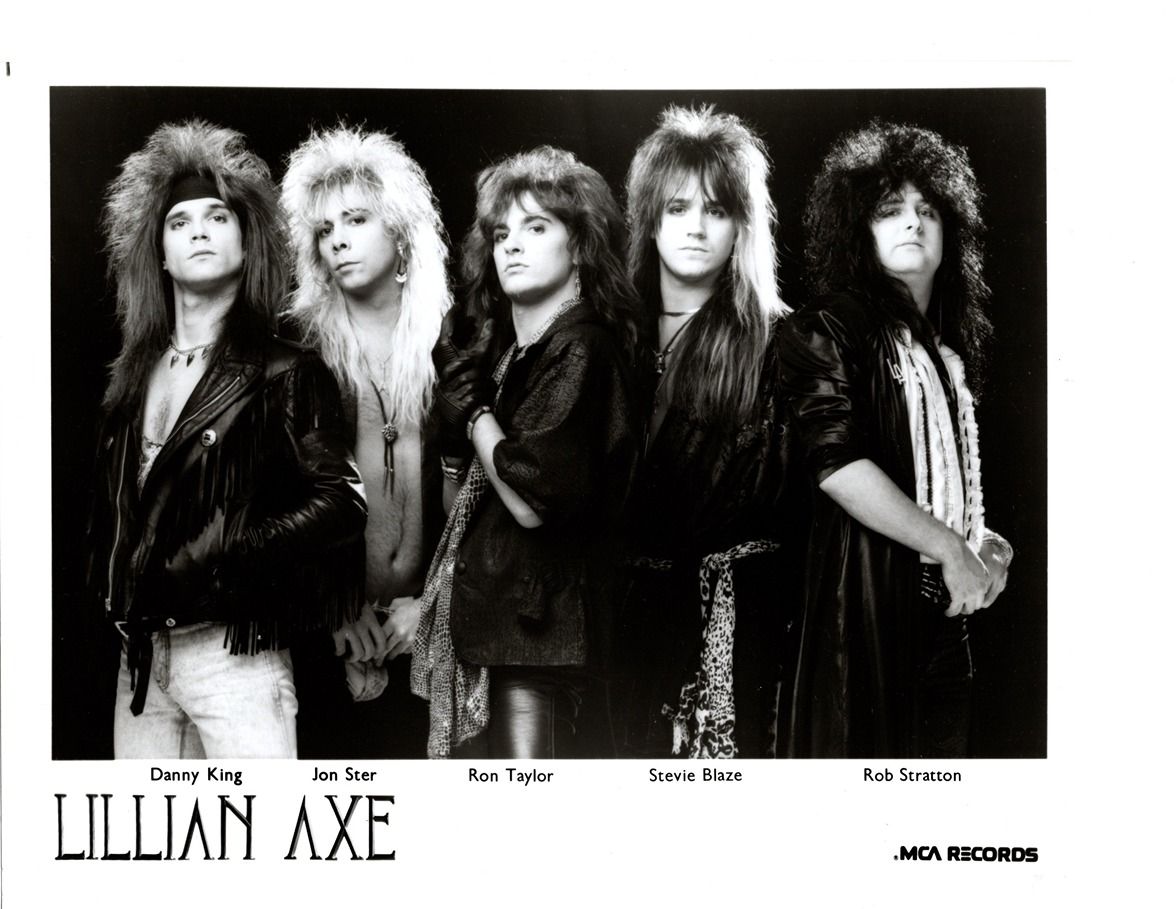
Lillian Axe is headed by guitarist and New Orleans native Steve Blaze. He started playing classical and flamenco guitar at 6 years old. He also took lessons at St. Catherine of Siena from Mr. Spano but soon moved to private lessons from Edie Leibe. "I guess [I outgrew] the class very quickly," he noted.
Blaze progressed and started playing rock and metal in high school at Jesuit, influenced by music that he heard on WTIX 690. He mentioned that he "took a little jazz theory in high school and stuff like that, but the rest of all the rock stuff is self-taught."
Lillian Axe grew out of a cover band that Steve Blaze joined in the early '80s along with bassist Michael "Maxx" Darby. "Michael Maxx, our bass player, was already in the band. They asked me to come play guitar, and we started playing out. We were called Oz," Blaze said. "They had a lead player already, so I was coming in and kind of playing rhythm more than lead, and, then, after two gigs, the lead guitar player quit, as he said it was too much pressure." Blaze took over as the lead guitarist, and, with that, Lillian Axe had its beginning.
At some point, Blaze started writing more original songs, something he began doing in the sixth grade, and Lillian Axe added those songs to their live set. Blaze noted, "We started becoming known for our originals more than anything."
The scene in the New Orleans area was vastly different. Blaze observed, "Back in the early days, every city—from Shack Bay to La Rose; to Thibodaux to Houma; to Cutoff, LA; Baton Rouge; Shreveport; Monroe; Metairie; Chalmette—every city had rock clubs, and we could play four or five nights a week at a different venue and never play the same place in 60 days. We'd play Hammond on a Wednesday night for four or five hundred people. We'd go to Lafayette on a Wednesday night and do the same thing."
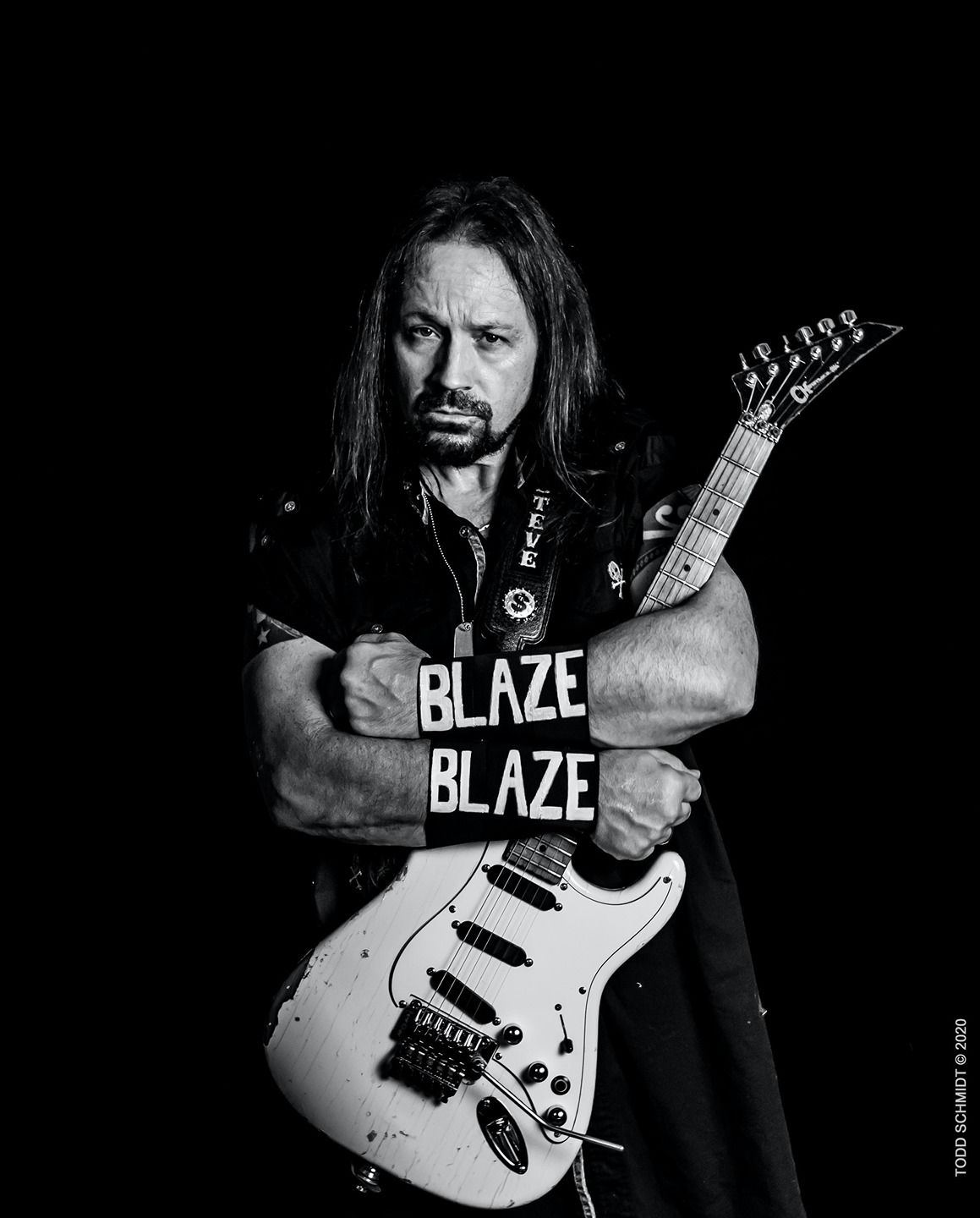
Gaining popularity and notoriety, Lillian Axe started opening for bigger bands, and, on one leg of a tour, they were asked to join "Ratt and Poison on five dates, and that's where we got discovered by Marshall Berle and Robin Crosby, and then that's when we entered into the next phase." Marshall Berle was Milton Berle's nephew and the manager of the band Ratt, and Robin Crosby played guitar for Ratt. That led to Lillian Axe getting signed to MCA, with Robin Crosby producing their self-titled debut album. However, neither Lillian Axe nor the follow-up, Love + War, met the label's expectations, and the group was quickly dropped by the label. This in spite of the fact that "Dream of a Lifetime" and, especially, "Show a Little Love" getting a decent amount of airplay on MTV's Headbangers Ball.
Blaze said that "Show a Little Love" was the song that started getting the band more noticed. "That's the one that started to get more airplay, and, back at that time, if you even got a couple of plays, think of the audience you were reaching. That's the one that kind of really got us going, but there were so many mistakes made with videos and the singles that were put out," which included Lillian Axe's biggest chart success from Poetic Justice, which was put out by I.R.S. and reached the Billboard Heatseekers charts at No. 28.
Blaze relayed that the mistakes were "not just MCA, but they butchered us first, then on I.R.S. for our next two albums. You know 'True Believer' was a top 40 song." However, the label refused to put out a video for the song, which limited the song's audience and reach. "Poetic Justice did well. With the right moves, that album could have really blown up," Blaze said.
Although Poetic Justice was the commercial peak for the band, the band keeps playing and putting out music and has 10 studio albums and two live records. "It's a drive that I personally have," Blaze observed. "Of course, we've had a few changes over the years, but when you have a 40-something year history, they're gonna have changes."

Through the years and changes, though, Lillian Axe and Blaze's vision has persevered. With the success the band has had, Lillian Axe has been inducted into the Louisiana Music Hall of Fame. Blaze noted, "I've been inducted twice. I'm the only person that's ever been inducted twice," which is quite an accomplishment.
Neither the band nor Blaze is resting on their laurels, though. "We're actually getting ready to release our 11th studio album, and I think it's our 18th overall release," Blaze said. This new record, which is a concept album of sorts, is entitled The Ten Commandments, with 10 songs relating to each commandment in some fashion, and will be released, according to Blaze, "probably in May or June."