Ha-Chan, Shake Your Booty! (2026)
Ha-Chan, Shake Your Booty!, starring Oscar-nominated actress Rinko Kikuchi, tells audiences exactly what to expect from its title: something winsome, dance-inflected, and overly precious at times. While the film can occasionally feel a bit too high on its twee supply, Kikuchi is a riveting reason to keep watching. She's the real deal.
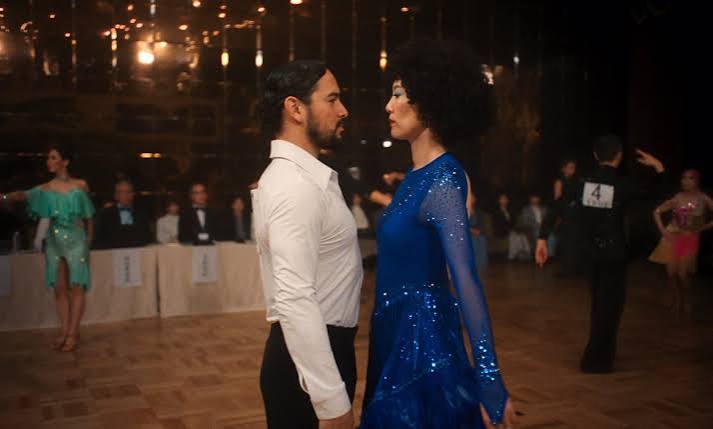
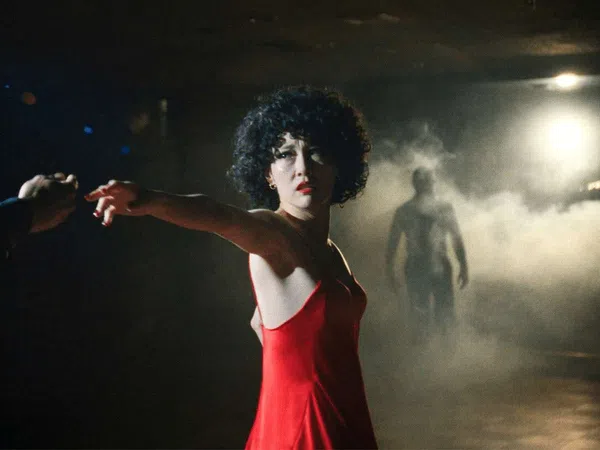
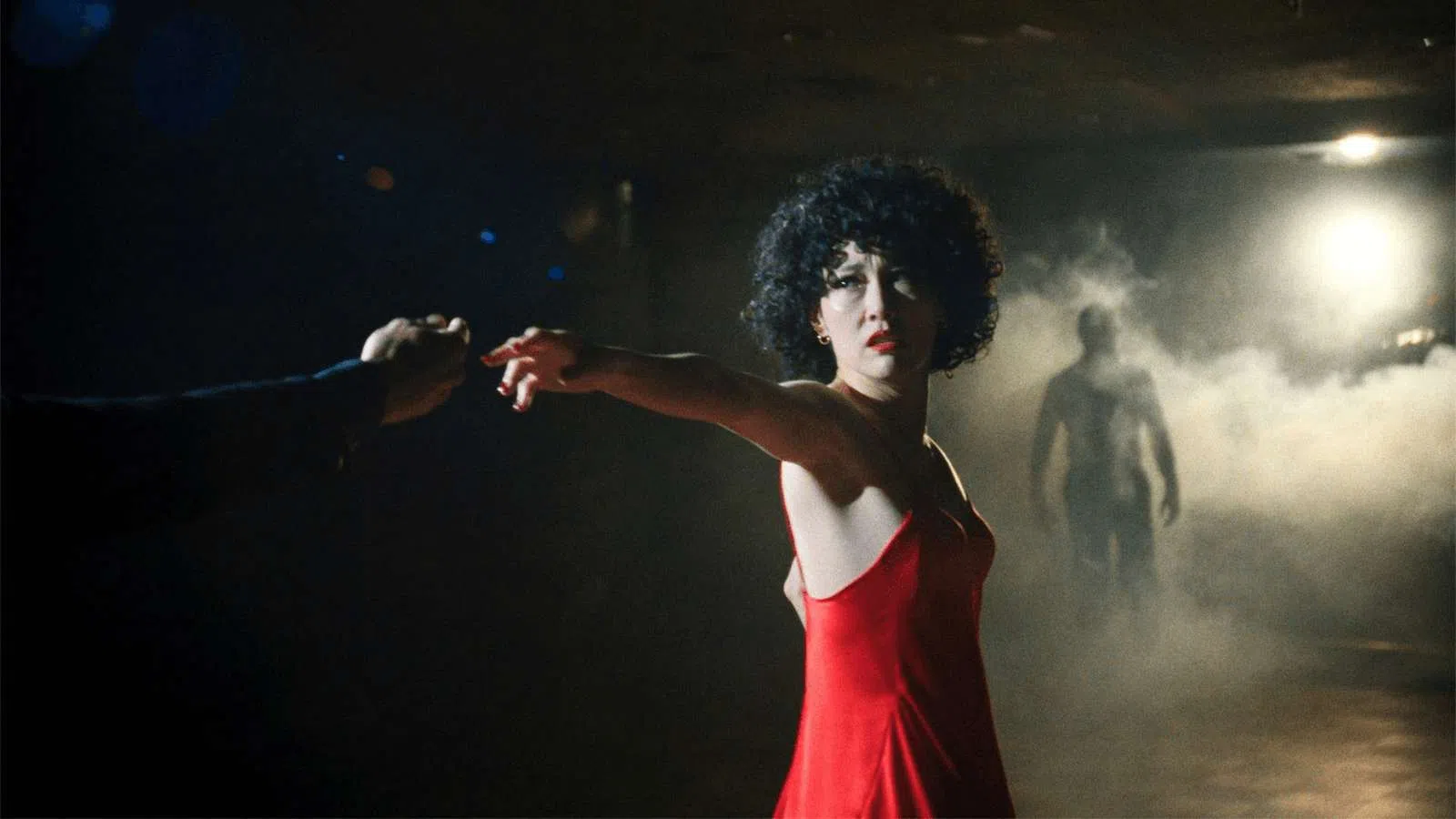
The film centers on Haru (Kikuchi), a competitive ballroom dancer living in Tokyo with her husband and dancing partner Luis (Alejandro Edda). When Luis unexpectedly and tragically passes away, Haru is plunged into a grief spiral of isolation and vividly strange dreams involving her late husband. With the help of her sister Yuki and friend Hiromi, Haru slowly reemerges into the world and eventually back into the ballroom scene, including a new flirtation with uber-sexy dance instructor Fedir (Alberto Guerra).
As this synopsis suggests, Ha-Chan is an exciting, though sometimes queasy blend of genres: a sobering drama about grief, a How Stella Got Her Groove Back-style romance, and a magical realist fantasy a la Amelie. The frequent stylistic flourishes—including title cards, musical sequences, retro music cues, etc.—can get distracting. In particular, a repeated visual motif of Luis' ghost dressed in a giant black parakeet costume strains for oddball thematic depth—and more often left me feeling empty.
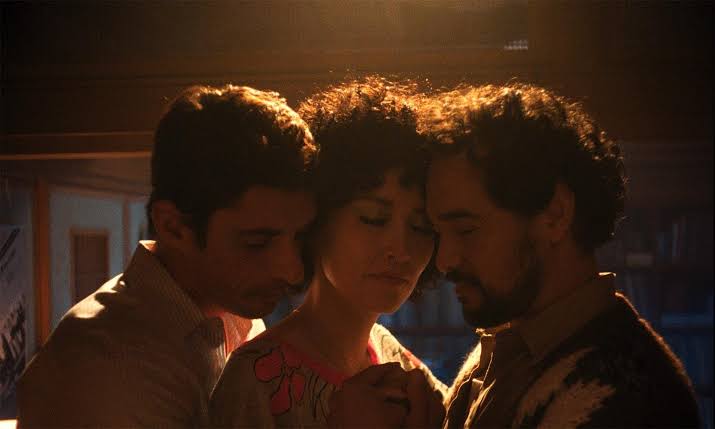
But through it all, Kikuchi is still beguiling to watch. Best known to American audiences for her Oscar-nominated turn in 2006's Babel as a deaf, disaffected, dangerously exploratory teenager, Kikuchi makes Haru alternately thorny, sweet, inscrutable, and occasionally childlike—a living, breathing, bleeding mess. She shines brightest in the film's spare quieter moments, as when Haru navigates the cross-cultural complications of preparing Luis' funeral with his sister and father, who have flown in from Mexico. It's one of the rare moments that the film fully dispenses with its stylistic gimmicks and lets its characters stare at each other softly, painfully in their raw, messy humanity.
As Haru's sister Yuki gently counsels late in
the film, "It's okay to be messy. That's life." Perhaps that's why Ha-Chan,
for all of its eccentricities and flaws, still works. Like life, like love,
like grief, it's beautifully messy and messily beautiful.